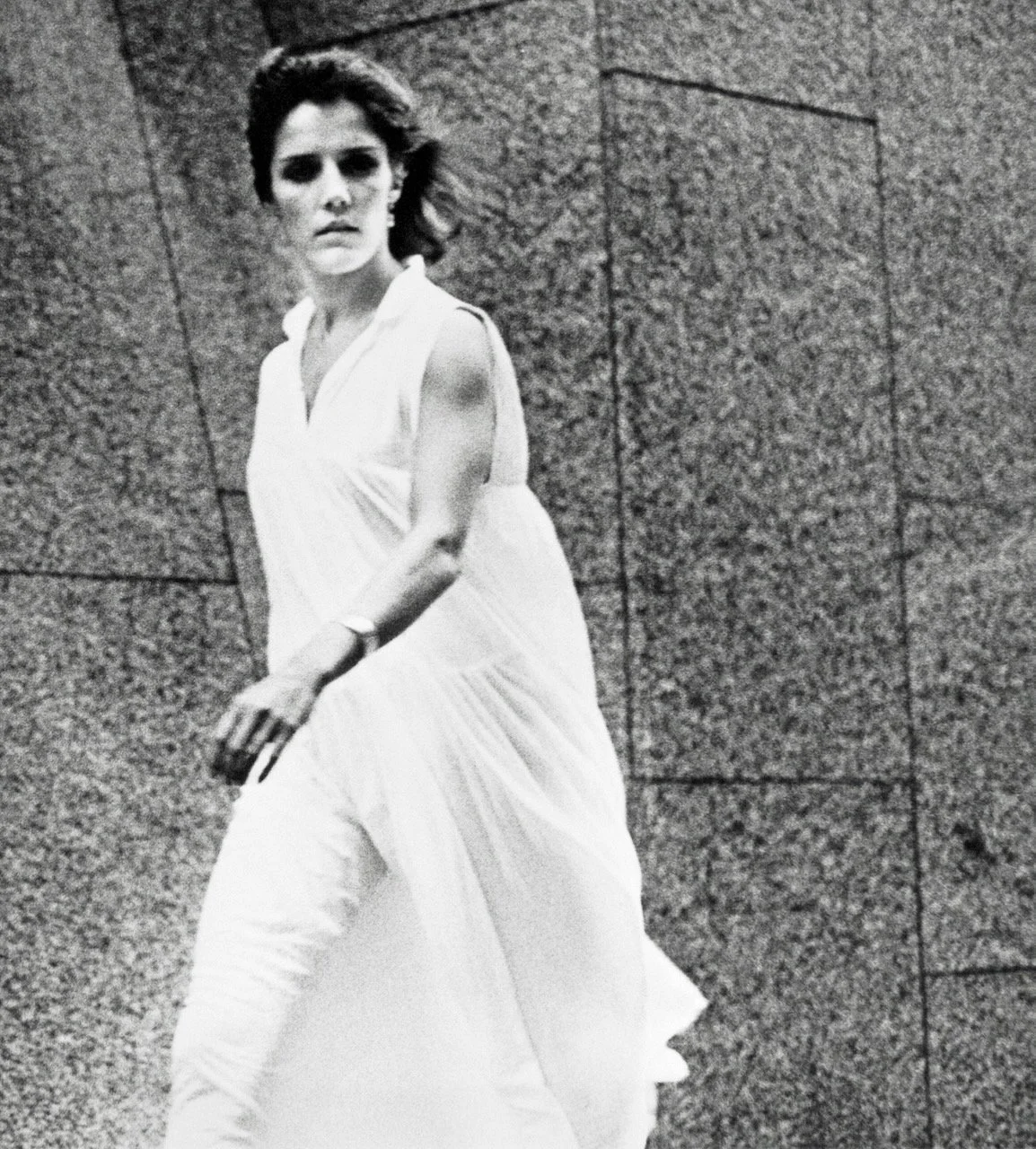
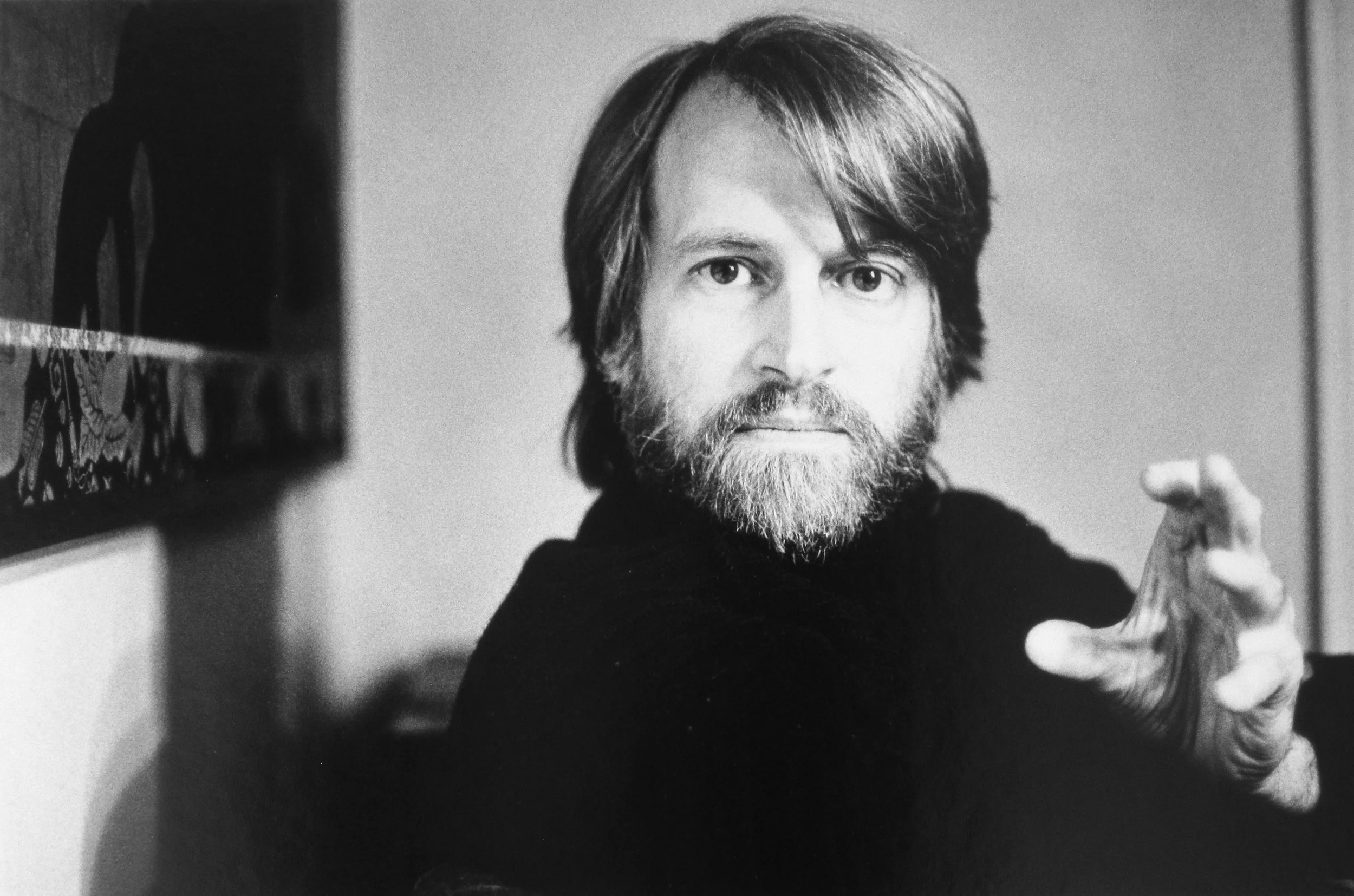
Mastery of delay (requires training the perfect way to do so is street photography. I train on taking photographs of flying birds as part of ongoing training.
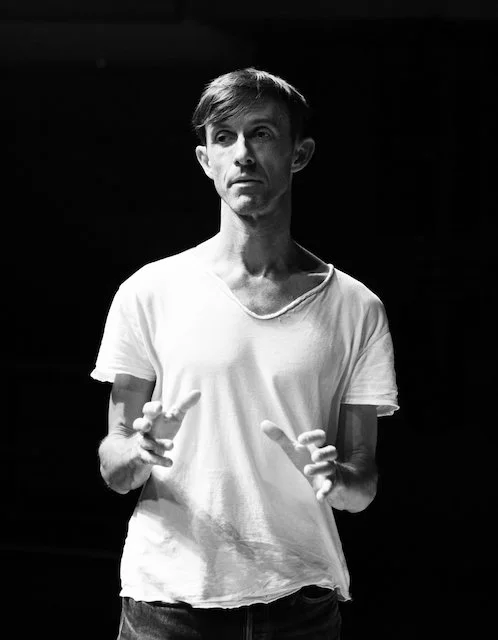
When people wish to express their complex emotions which touch them deeply, they usually use gestures to emphasise their importance in addition to words being spoken. The movement of gestures adds to portraits in the most evocative feature, but they can be swift and to keep them within a composition, so they remain integral to the whole story. A photographer must predicate all movements and capture them without delay
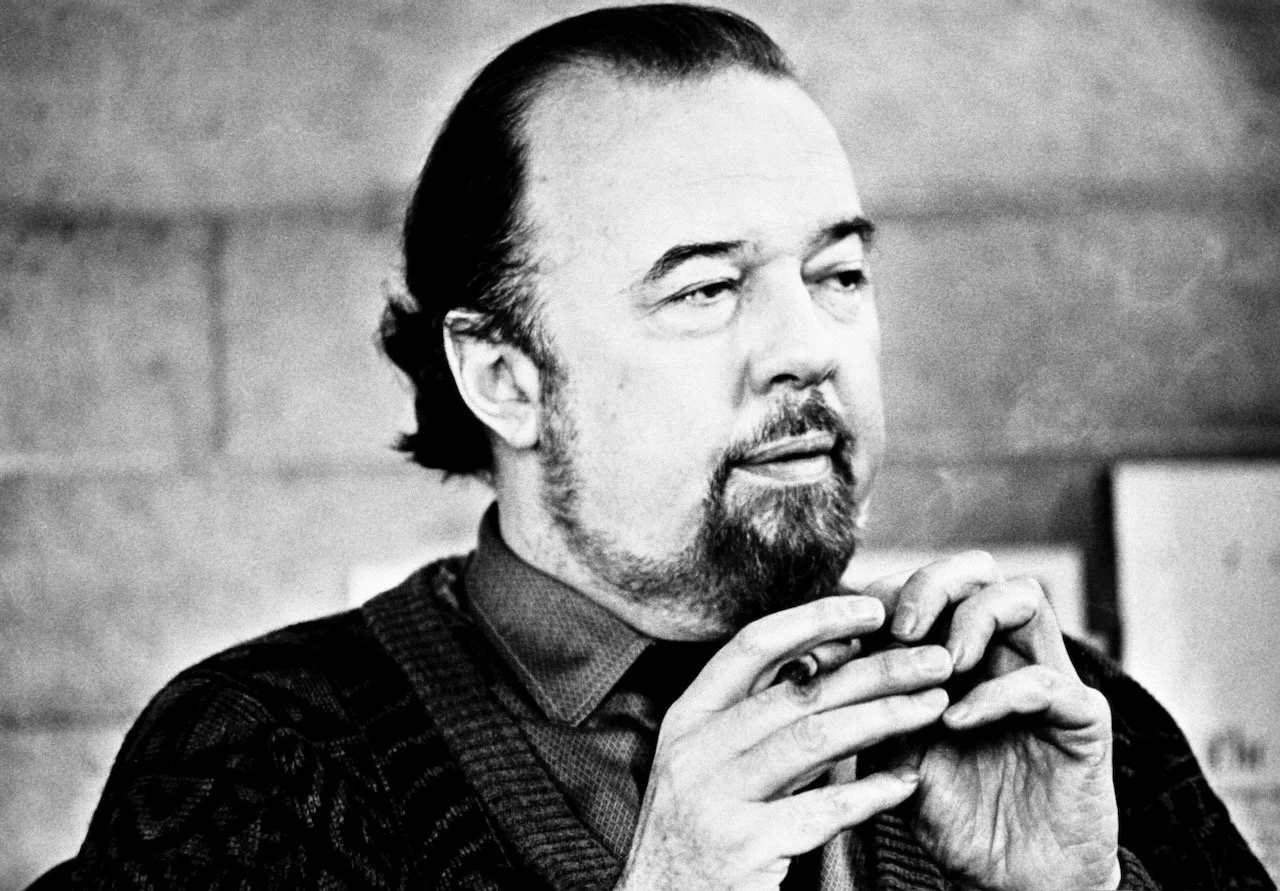
Catching the right moment is seen as the main purpose of photography. It depends not only in being at the right place at the right time, but also on photographer’s ability to anticipate the future and react swiftly enough to event which not as yet happening. That is on his or her skill in controlling delay. In photography (unlike in dance or sport, but like in motor -sport or flying a jet airplane) delay depends on understanding of technical interaction of human controlling mechanical aspects of equipment (a camera).
While a photographer must be alert to the unfolding situation, and have enough experience to predict what will happen in the very near future (“The right moment”), the length of time it takes from a decision to take a picture, signal transferred through nervous system from the brain to the finger, to press the shutter button on the camera and for mechanical workings to allow passage of light towards the light sensitive material (film or sensor) is laborious. If a camera is mirrorless (currently expanding in availability) for example Leica or Minox or some Sony and Fuji cameras, or twin lens camera like Rollieflex or a smartphone camera, it delay is much shorter than with Single lens Reflex Cameras (with internal mirror; which must be lifted to facilitate the passage of light). As I take pictures with a digital single-lens reflex camera (set to manual) in my case delay is approx. 1/8 second. Which means that I must anticipate what will happen by 1/8 sec prior of the perfect moment to unfold in the Future in front of me, so I can “Catch”it. In many ways this is one of most exhilarating aspects of being a photographer.
Understanding one’s Delay (both psychological and mechanical) is part and parcel of being a photographer, and it require training to be fully in charge of it.
Pablo Picasso loved women for their independence, their erotic beauty, their unpredictable mood changes, their thoughtfulness, their daydreaming, their need for fun and above all their inspiring presence. Picasso’s wives,lovers, models filled his life with intensity, giving birth to paintings, sculptures, designs for ballet, sketches and children.
I had a glimpse into that world when I was a child, looking through the photo album of ‘The Private World of Pablo Picasso: The Intimate Photographic Profile of the World’s Greatest Artist’, with photographs by DavidDouglas Duncan. I remember being intrigued by his daughter, Paloma Picasso, maybe because we are exactly the same age and I imagined it would be nice to go over there for an afternoon to play. A dream – my life in a communist Poland was totally different.
Later, in 1973, when I first went to Paris, Helmut Newton photographed Paloma Picasso in Saint-Tropez, and she was the perfect epitome of French elegance. I do not remember where I saw this portrait, probably in Vogue.
I was commissioned to take a portrait of Paloma Picasso at the Royal Academy in London, when it was staging an exhibition of drawings by her late father. A small space in Burlington House, a makeshift studio, was prepared for us. It had diffused light that enveloped Paloma Picasso: I focused on her beautiful, penetrating eyes and photographed quickly, for no more than fifteen minutes.
I rushed from the gallery in Piccadilly, through Trafalgar Square to the picture desk in a grand building on Fleet
Street. There was no time for me to prepare the prints, so I gave a film with instructions to the technician and left for Amsterdam soon after.
The portrait of Paloma Picasso was published the next day but was later lost when the editorial offices were moved to the eastern outskirts of the city.
Yet this loss inspired me to create new portraits of women, and soon after I photographed Lucy Burge, a dancer of dynamic grace