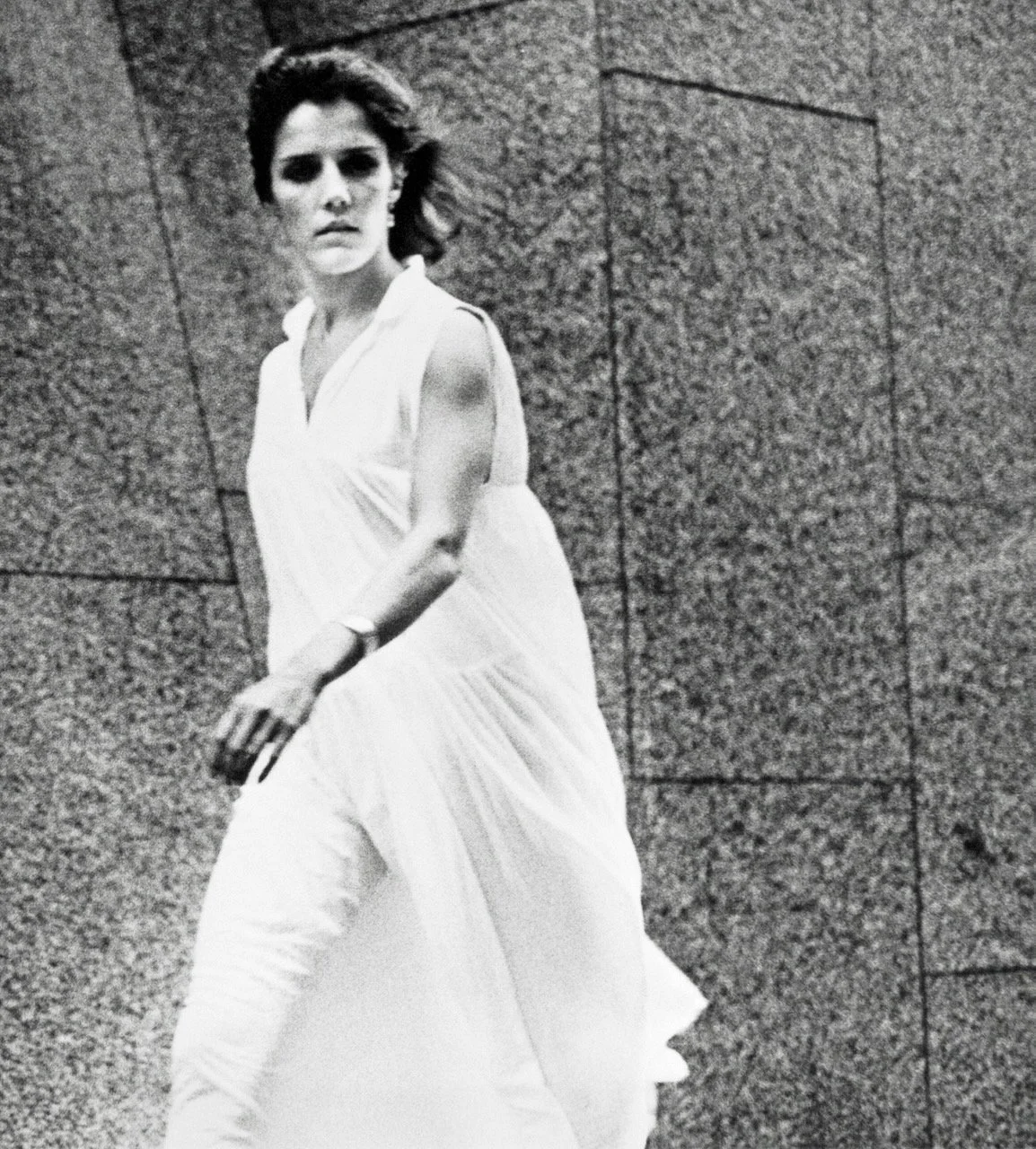
Sessions: Portraits of people
Stay observant, truthful, honest, instinctive and – above all – fearlessly creative and totally intuitive
We take portraits of people we care for, who are special to us, because for most of the time they are somewhere else. We want to remember their presence and the wonderful moments we shared together.
Unchanged by passage of time, the photograph fixes forever an image of their characters, their smiles, glances, gestures, allowing us to instantly recall everything that was going on at the time it was taken –the tone of their voices, the whole ambience of that day.
An American photographer, Irving Penn, once said that what people hide behind their masks during a photographic session is usually more interesting than they themselves believe. So Penn worked with his models slowly and kindly, patiently coaxing out their inner qualities and complexities and creating amazing portraits in the process.
But I do not have the same luxury of time, so I rush my models to open up as soon as I look at them through my lens.
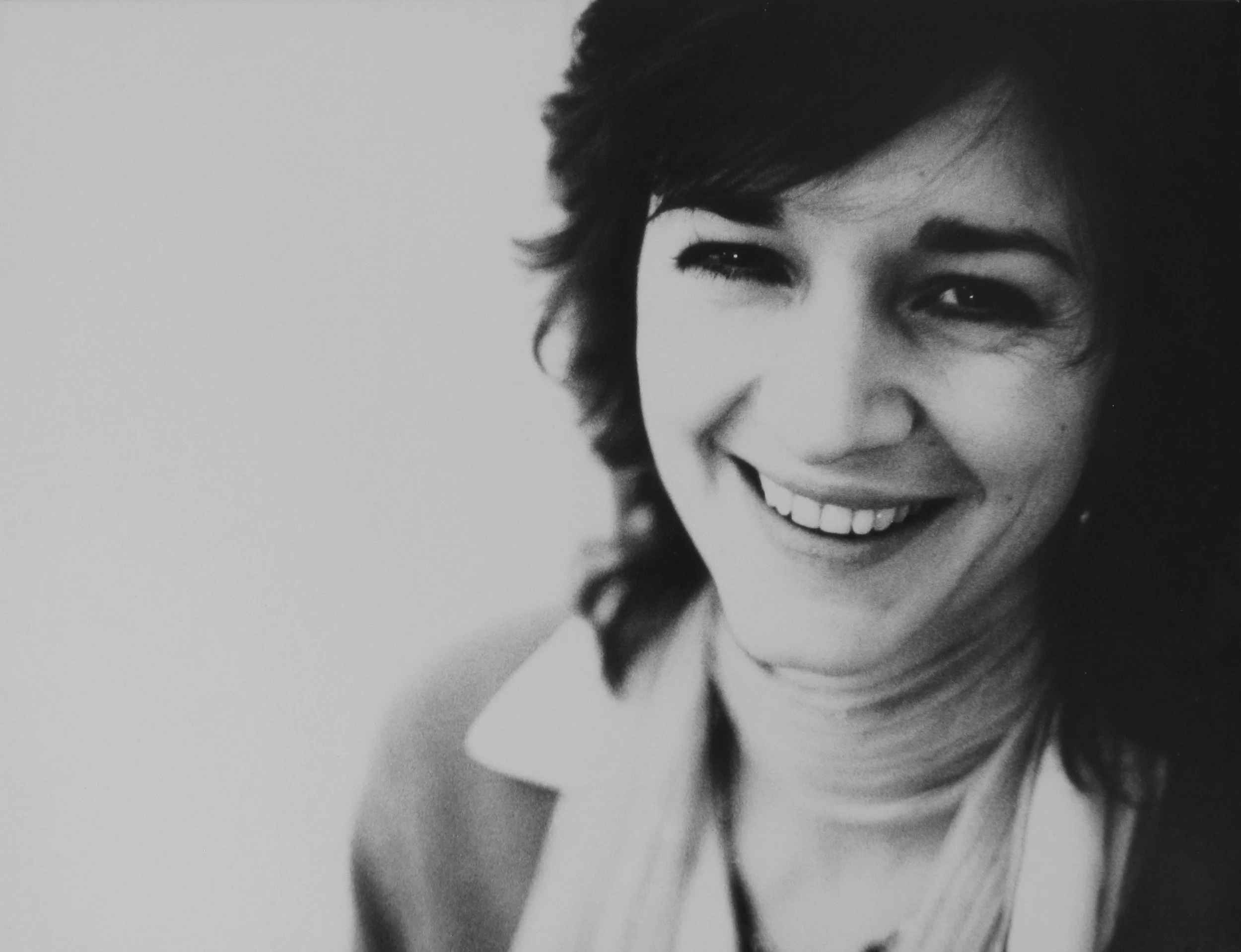
Professor Dame Marina Warner – a writer
Marina Warner, the daughter of an Italian lady and an Englishman, studied around the world, wrote books about such iconic women like Joan of Arc and has been teaching at various universities on the subject of myth.
When Marina Warner worked for Vogue magazine, her portrait was published there. I decided then that I would like to take a portrait of her too. So as soon as I arrived in London for the first time, I went to the Vogue offices to meet Marina Warner, but she had already left for California.
We met years later at her home in Kentish Town, London, where I photographed her for the first and last time. The result of this session was a portrait that was created in between eating cookies, playing with her son, Conrad and talking about Bruno Bettelheim and his book “The Uses of Enchantment: The Meaning and Importance of Fairy Tales” (1976) – a book about the dark essence of fairy tales and their true message to us.
Our conversation became a photographic session only to drift back into a conversation, as if creating portraits was the most natural thing to do
When I thought about that time with Marina Warner, all those conversations, which embraced such different subjects from childhood, fairy tales to taking portraits, I realised that Marina Warner’s gentle smile and her phenomenal intellect is the proper answer to it all.
Perhaps that is why her smile will live with me forever.
As a result of our conversation, I was inspired to read another of Bettelheim’s books: The Informed Heart. This is a tragic, deeply moving description of his personal harsh and cruel experiences as a prisoner in Dachau and Buchenwald concentration camps in Nazi Germany.
I read it in small doses, as it was hard for me to cope with this report from hell. This is not a myth.
A little further info would be good here – why did you decide then that you wanted to take a portrait? Was the one in vogue no good or did it inspire you to want to meet and photograph her?
We finally met years later at her home in Kentish Town, London. The meeting began with conversation that flowed into the photographic session and then drifted back into conversation as if creating portraits was the most natural thing to do.
The result of this meeting was a portrait that was created in between eating cookies, playing with her son, Conrad and talking about Bruno Bettelheim and his book “The Uses of Enchantment: The Meaning and Importance of Fairy Tales”, a book about the dark essence of fairy tales and their true message to us.
For more examples see my book “Silent Conversations” included in this Workshop as a bonus
Pablo Picasso loved women for their independence, their erotic beauty, their unpredictable mood changes, their thoughtfulness, their daydreaming, their need for fun and above all their inspiring presence. Picasso’s wives,lovers, models filled his life with intensity, giving birth to paintings, sculptures, designs for ballet, sketches and children.
I had a glimpse into that world when I was a child, looking through the photo album of ‘The Private World of Pablo Picasso: The Intimate Photographic Profile of the World’s Greatest Artist’, with photographs by DavidDouglas Duncan. I remember being intrigued by his daughter, Paloma Picasso, maybe because we are exactly the same age and I imagined it would be nice to go over there for an afternoon to play. A dream – my life in a communist Poland was totally different.
Later, in 1973, when I first went to Paris, Helmut Newton photographed Paloma Picasso in Saint-Tropez, and she was the perfect epitome of French elegance. I do not remember where I saw this portrait, probably in Vogue.
I was commissioned to take a portrait of Paloma Picasso at the Royal Academy in London, when it was staging an exhibition of drawings by her late father. A small space in Burlington House, a makeshift studio, was prepared for us. It had diffused light that enveloped Paloma Picasso: I focused on her beautiful, penetrating eyes and photographed quickly, for no more than fifteen minutes.
I rushed from the gallery in Piccadilly, through Trafalgar Square to the picture desk in a grand building on Fleet
Street. There was no time for me to prepare the prints, so I gave a film with instructions to the technician and left for Amsterdam soon after.
The portrait of Paloma Picasso was published the next day but was later lost when the editorial offices were moved to the eastern outskirts of the city.
Yet this loss inspired me to create new portraits of women, and soon after I photographed Lucy Burge, a dancer of dynamic grace